
The Need for Nature Study
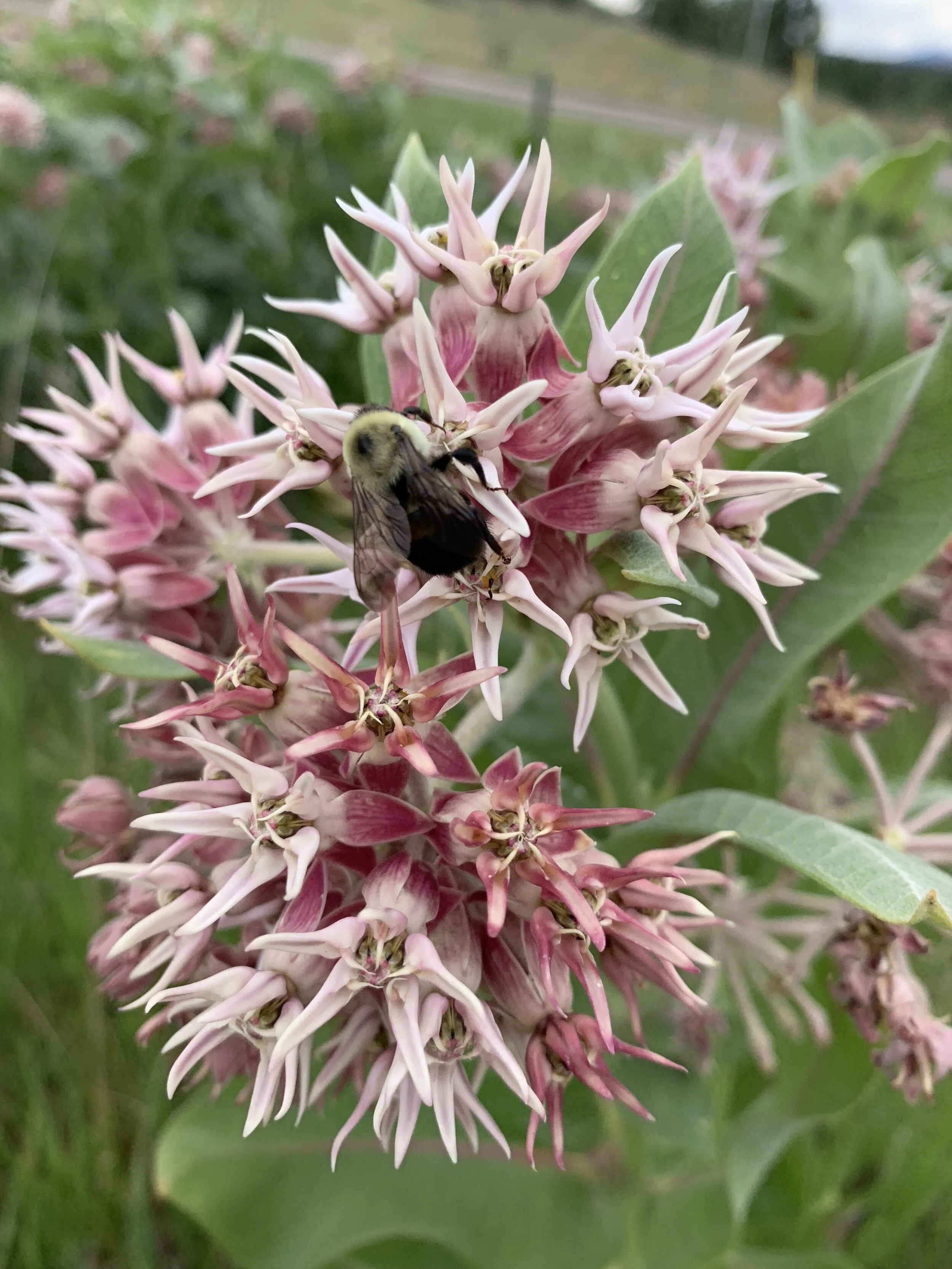
If I had influence with the good fairy who is supposed to preside over the christening of all children I should ask that her gift to each child in the world be a sense of wonder so indestructible that it would last through life, as an unfailing antidote against the boredom and disenchantment of later years, the sterile preoccupation with things that are artificial, the alienation from the sources of our strength.
—Help Your Child To Wonder, Rachel Carson
During the late 19th and early 20th centuries a philosophical and educational reformation known as the Nature Study Movement swept across the English speaking world. Originating in the United States, this shift in thought and practice was largely a response to the devastating effects the Industrial Revolution had on our natural landscapes and humanity’s relationship with Nature. Society’s growing concern for the next generation made way for such a movement to take place.
Nature Study advocates attempted to reconcile reductionist, scientific investigation in school education with spiritual, personal experiences gained from interaction with nature. Their hope was to raise a generation not only with knowledge about the natural world, but with a sympathy towards nature that would lead to an increased joy of living and care of our environment. Their efforts were extremely successful. By the early 20th century, Nature Study could be found in most school curriculums across the United States giving to us environmental giants such as Rachel Carson. Unfortunately, the momentum of the Nature Study Movement died out post WWI as our country fought for survival during The Great Depression. However, its ideals birthed conservation and environmentalism as we know it today.
Despite these noble efforts, we continue to witness a rise in the use of technology and spread of industry in the 21st century. Our natural landscapes are diminishing and we are dominated by time spent on screens instead of time spent in communion with the land. We live in a time when the bulk of humanity is disconnected from the Earth in every way—mind, body, and soul. What we fail to realize is that when we are disconnected from the living Earth we become disconnected from ourselves and the whole of Creation is thrown out of balance.
We live in an age where time spent outdoors is decreasing rapidly for our children. And with this, I dare say, the child’s natural, uncultivated state of wonder and desire to be out-of-doors. Today’s children are more knowledgeable about the latest video game and social media app than their native flora and fauna. We have a generation that, according to author of Last Child in the Woods, Richard Louv, suffers from “nature deficit disorder.”
The need for Nature Study is now.
Our need echos the cries of naturalists from the past and present. In John of the Mountains: The Unpublished Journals of John Muir, the conservationist charges:
Most people are on the world, not in it; have no conscious sympathy or relationship to anything about them, undiffused, separate, and rigidly alone like marbles of polished stone, touching but separate.
Environmental activist and poet Wendell Berry laments:
Our children no longer learn from that great Book of Nature, from their own direct experience or how to interact creatively with the seasonal transformation of the planet. They seldom learn where their water comes from or where it goes. We no longer coordinate our human celebration with the great liturgy of the heavens.
In an age where the majority of our children spend very little time in the open air and learn about the natural world solely through text books and lab experiments, what then does Nature Study look like in the 21st century and what are its values to this generation?
One of the leaders of The Nature Study Movement, Liberty Hyde Bailey, described Nature Study in Cornell Nature-Study Leaflets, “Leaflet I: What Is Nature-Study?”, the following way:
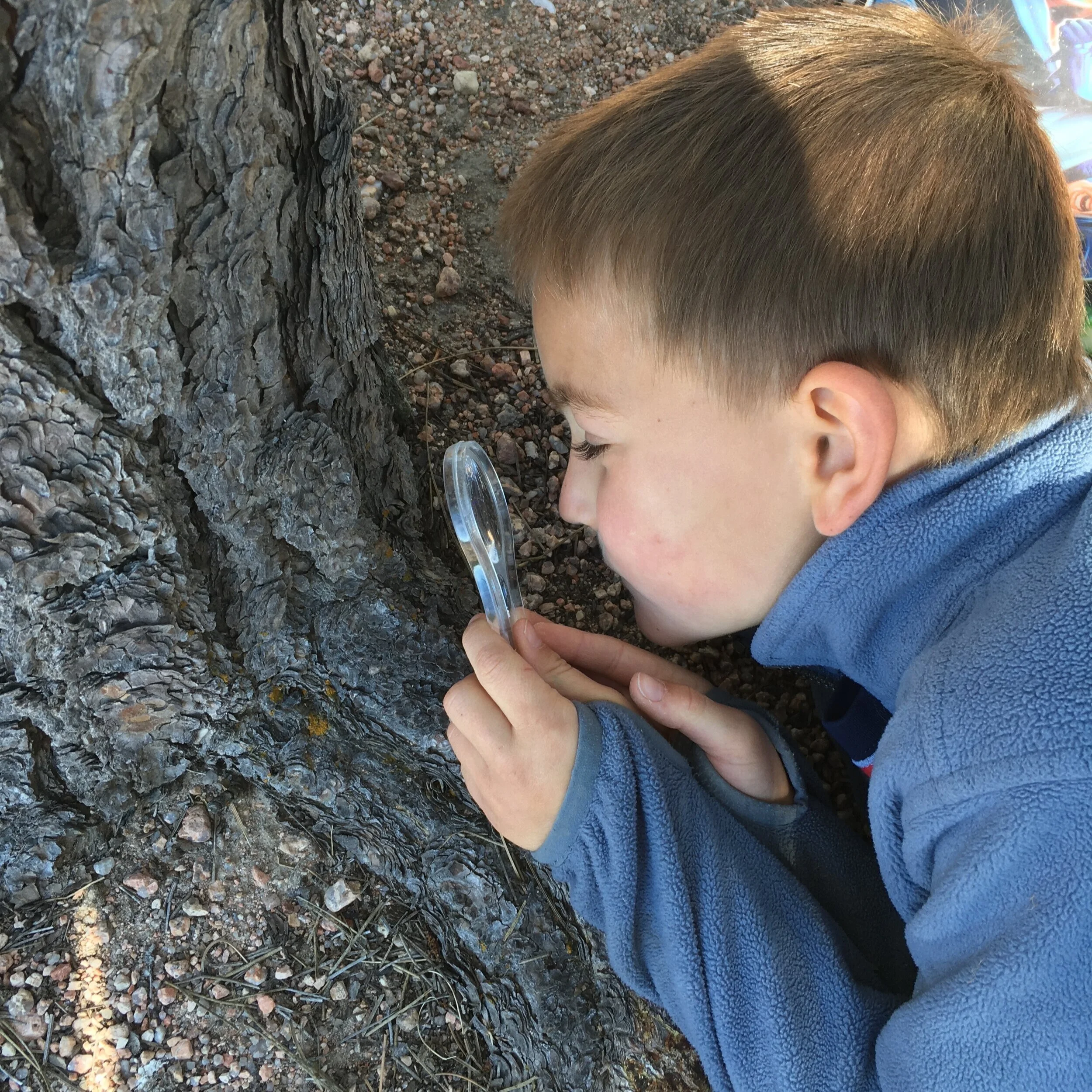
Nature-study, as a process, is seeing the things that one looks at, and the drawing of proper conclusions from what one sees. Its purpose is to educate the child in terms of his environment, to the end that his life may be fuller and richer. Nature-study is not the study of a science, as of botany, entomology, geology, and the like. That is, it takes the things at hand and endeavors to understand them, without reference primarily to the systematic order or relationships of objects. It is informal, as are the objects which one sees. It is entirely divorced from mere definitions, or from formal explanations in books. It is therefore supremely natural. It trains the eye and the mind to see and to comprehend the common things of life; and the result is not directly the acquiring of science but the establishing of a living sympathy with everything that is.
Inspired by the educational philosophy birthed out of The Nature Study Movement, The Sacred Wilds believes Nature Study to be the study of and with the natural world through intentional learning, participation, and connection with Nature. Our holistic approach is based on three components: direct experience with the natural world, inspiration from Nature and the reading of living books, and communion through contemplative practices on the land. It is important to note that these components do not operate in a linear fashion. Rather, they are fluid, moving as a continual spiral. Always seeking understanding, always being inspired, always communing. They are not separate, but work together in a harmonious way. With that in mind, let’s take a brief look at these principles…
Experience - Understanding is the kind of knowing that can only be gained through direct experience in nature. Experience through observation of the natural world is the gateway to understanding the Truth of Nature. Taking regular walks at local trails and parks or even spending intentional time in your backyard allows the perfect opportunity for this. Having a specific focus in mind related to a particular aspect of nature is delicately balanced with being open to whatever wonderment Nature may wish to reveal on a particular occasion. In this outdoor space, all senses are engaged in careful observation of the natural world. Children are learning about nature by drawing conclusions proper to what they experience. All this is designed so that those with eyes to see and ears to hear will receive a deeper understanding and sympathy of the natural world and how we are connected.
Inspiration - The Sacred Wilds curriculum is designed to inspire an intimate curiosity and respect of Nature primarily through the simple, truthful observation of the natural world. However, many of the subjects for nature lessons can be studied only in part due to its availability. The need to round out the student’s knowledge may become necessary. This can be accomplished through the telling of a story or through the reading of living books about the nature study subject. Living books are those books penned by authors with a passion and expertise on a particular topic, who use rich language, and have the ability to write with an engaging, literary style while communicating great ideas rather than mere facts. Living books in our program—beautifully written by expert naturalists and others—are read both to assist in the answering of questions and wonders gained from direct observation and interaction with Nature and as a source of inspiration for learning more about the natural world.
Communion - To commune with the natural world is to spiritually connect with the divine through Creation at the deepest soul level. This experience involves a time of stillness on the land with focused attention on a particular aspect of Nature to which one feels drawn. This is followed with a time of quiet contemplation opening one’s heart and mind to connect this outward offering with one’s inward being. This is a personal time of engagement involving quiet focus, meditation, reflection, and prayer. It is a time to wonder, respond, and listen intently to the Truth, Beauty, and Goodness being revealed through Nature in an ineffable way. Through the experience of communion with the sacred natural world we open ourselves up to receive divine wisdom at the soul level.
And what more of the values of such a study? In my humble opinion the values of Nature Study are many and multi-valanced being both formative and transformative.
A leader of the Nature Study Movement, Anna Botsford Comstock, states in her book Handbook of Nature Study:
Nature-study cultivates the child's imagination, since there are so many wonderful and true stories that he may read with his own eyes, which affect his imagination as much as does fairy lore, at the same time nature study cultivates in him a perception and a regard for what is true, and the power to express it...Nature study gives the child practical and helpful knowledge. It makes him familiar with nature's ways and forces…
Educational philosopher Charlotte Mason (1842-1923) recognized the vital importance Nature has in the development of the child. From birth into adulthood Miss Mason stressed that children spend large amounts of time out-of-doors and in communion with Nature. It’s no wonder that Nature Study was included across all grade levels in her Parents’ National Education Union Schools. For those who follow a Charlotte Mason education today, Nature Study remains an integral part of the curriculum. In an article written by A Sabbath Mood Homeschool’s Nicole Williams, the benefits of Nature Study in a Charlotte Mason education are summarized as follows:
Nature Study…Cultivates the habit of attention and discrimination through use of all the senses…Prepares a young child for reading, spelling, math, and more…Lays the foundation and wonder for science…Encourages the habit of asking questions and communicating those questions and ideas…Cultivates the habit of observation and accurate record keeping…Provides opportunity for children to recognize and appreciate real beauty…Allows children to learn about the laws and order of our world and how we are all connected…Forms children into caretakers of nature because they understand they are connected to the natural world in which they live…Is good for our physical, mental, and spiritual health…Leads to a reverence for the Divine.
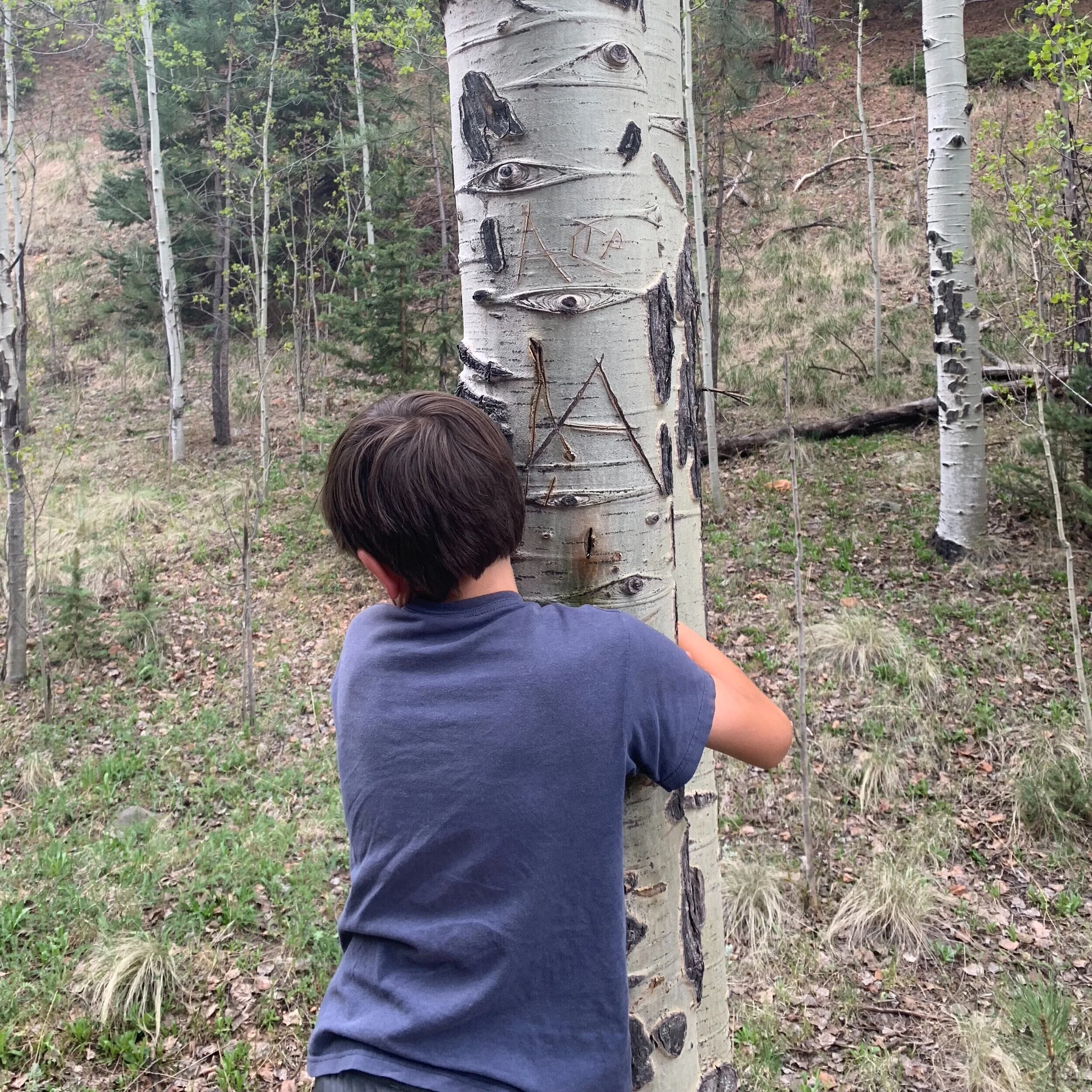
The need for Nature Study is as necessary today as it was over a century ago, if not more. The chasm between humanity and the natural world is creating a grim future for the next generation. The time is now to reclaim the ideals of the Nature Study Movement. For the sake of our children, we must work towards the restoration of relationship with the living Earth through intentional connection with Nature and all its wonders. By including Nature Study as a vital piece of our children’s education we are opening a door that leads to the healing of Creation as a whole.